
Smarter Fire, Safer WA
The WA Government’s fire management strategy is to maintain a fuel age of less than six years since last burnt in at least 45% of the landscape across the three south-west forest regions. This equates to burning approximately 200,000 hectares in the south-west forests on an annual basis. These burns aim to reduce bushfire risk, but science shows they are damaging biodiversity, threatening health, and, and having little overall effect on reducing fire risk, particularly under extreme fire weather conditions.
What FABWA Stands For
- Use prescribed burning only where it works best — close to towns, farms, and evacuation routes.
- End broadscale burning in biodiversity-rich forests and ecosystems.
- Combine rapid detection & suppression, Indigenous fire knowledge, and targeted fire management
- Support and promote Indigenous fire knowledge and cultural burning practices and ecologically responsible fire management
- Protect people, biodiversity, and health together.
What is Prescribed Burning?
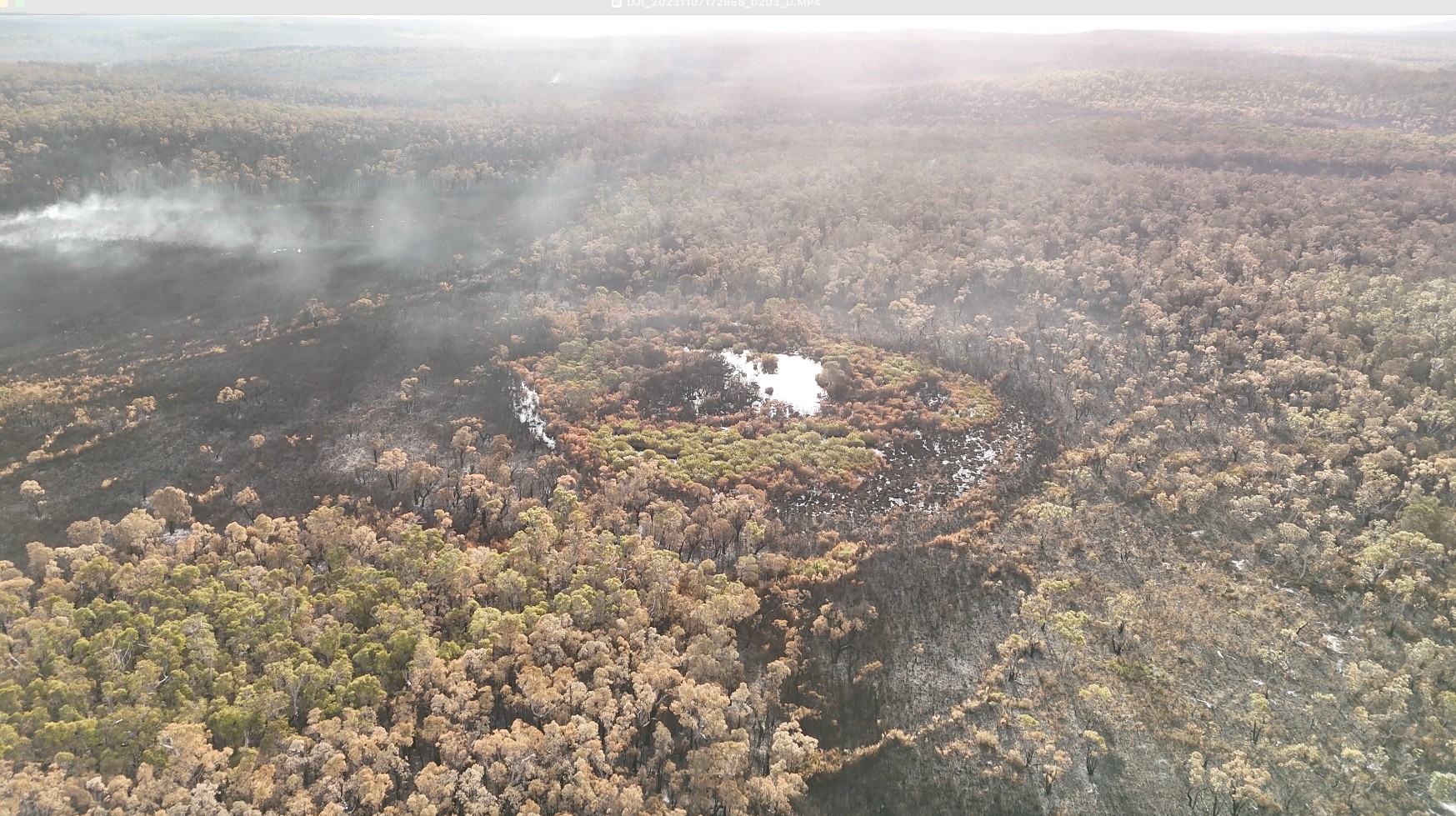
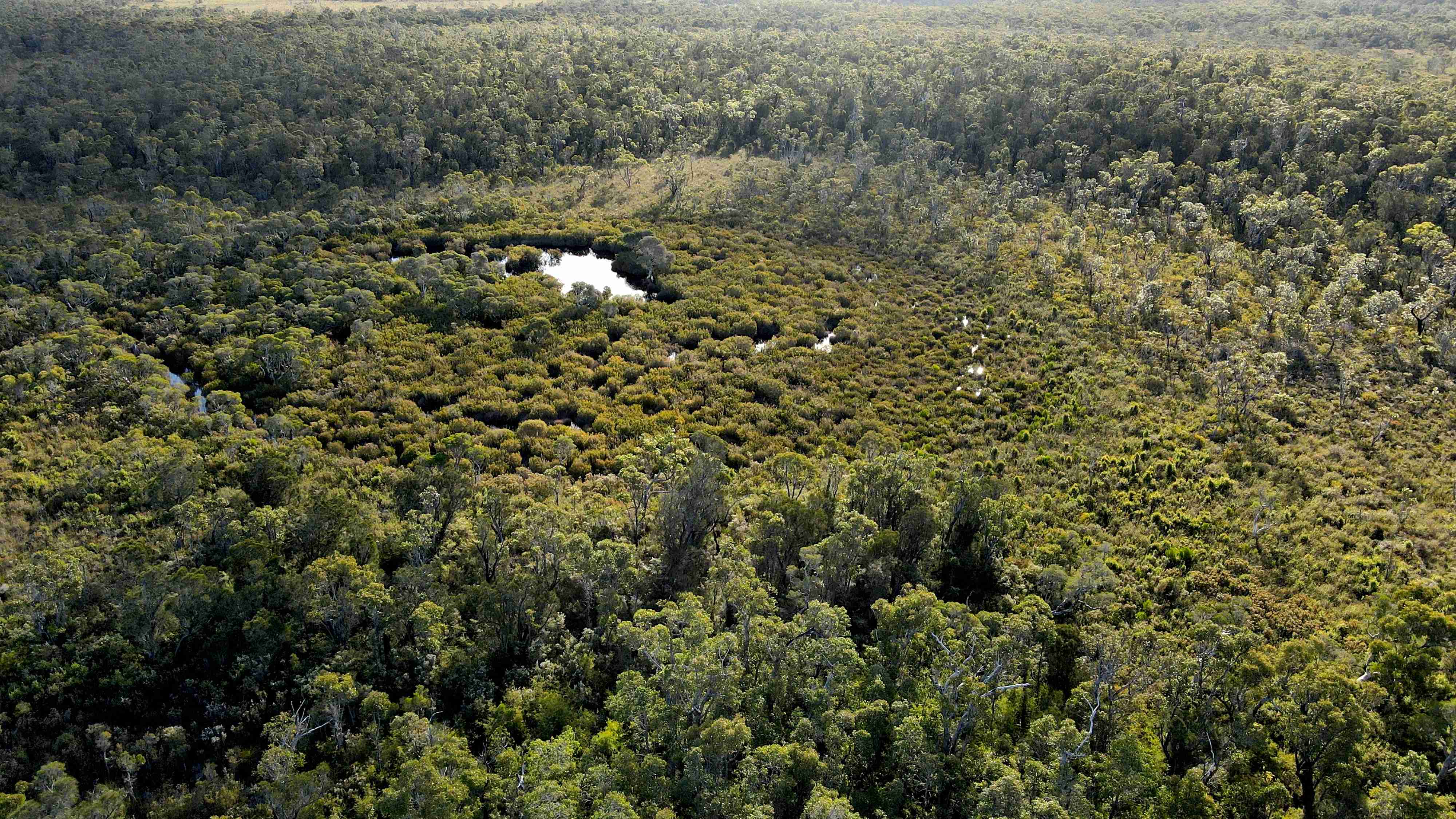
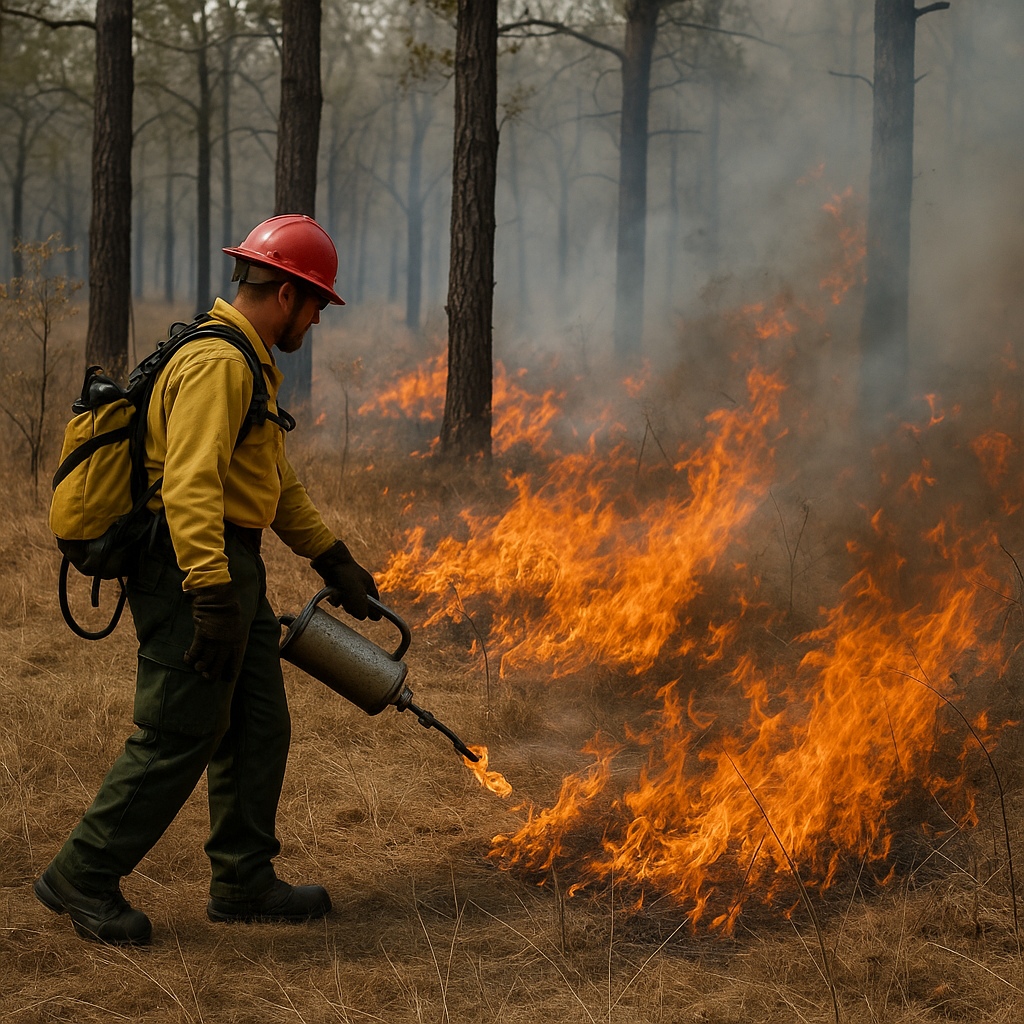
Prescribed (or “controlled”) burning is when DBCA or other authority deliberately lights planned fires to reduce the build-up of flammable material including dry leaves, branches, twigs, logs, and shrubs — the “fuel load.”
Intended Goal
Less fuel means less severe bushfires.
Reality
In Southwest WA - one of Earth’s 36 global biodiversity hotspots - broadscale prescribed burning often kills wildlife, damages and destroys habitat, doesn’t prevent catastrophic fires and can increases flammability and fire risk over time.
Stat Callout
In 2022 - 23, DBCA reported burning 183,682 ha. That’s like setting fire to 99 Rottnest Islands every year.
When Prescribed Burning Helps — and When It Doesn’t
Helps When
- Within 0.5–1 km of homes and farms (Asset Protection Zones).
- Along strategic corridors and evacuation routes.
- In cultural fire practices: small, cool, patchy burns led by Traditional Owners.
- There is a specific ecological benefit for certain flora and fauna species, habitats or ecological communities.
Harms when
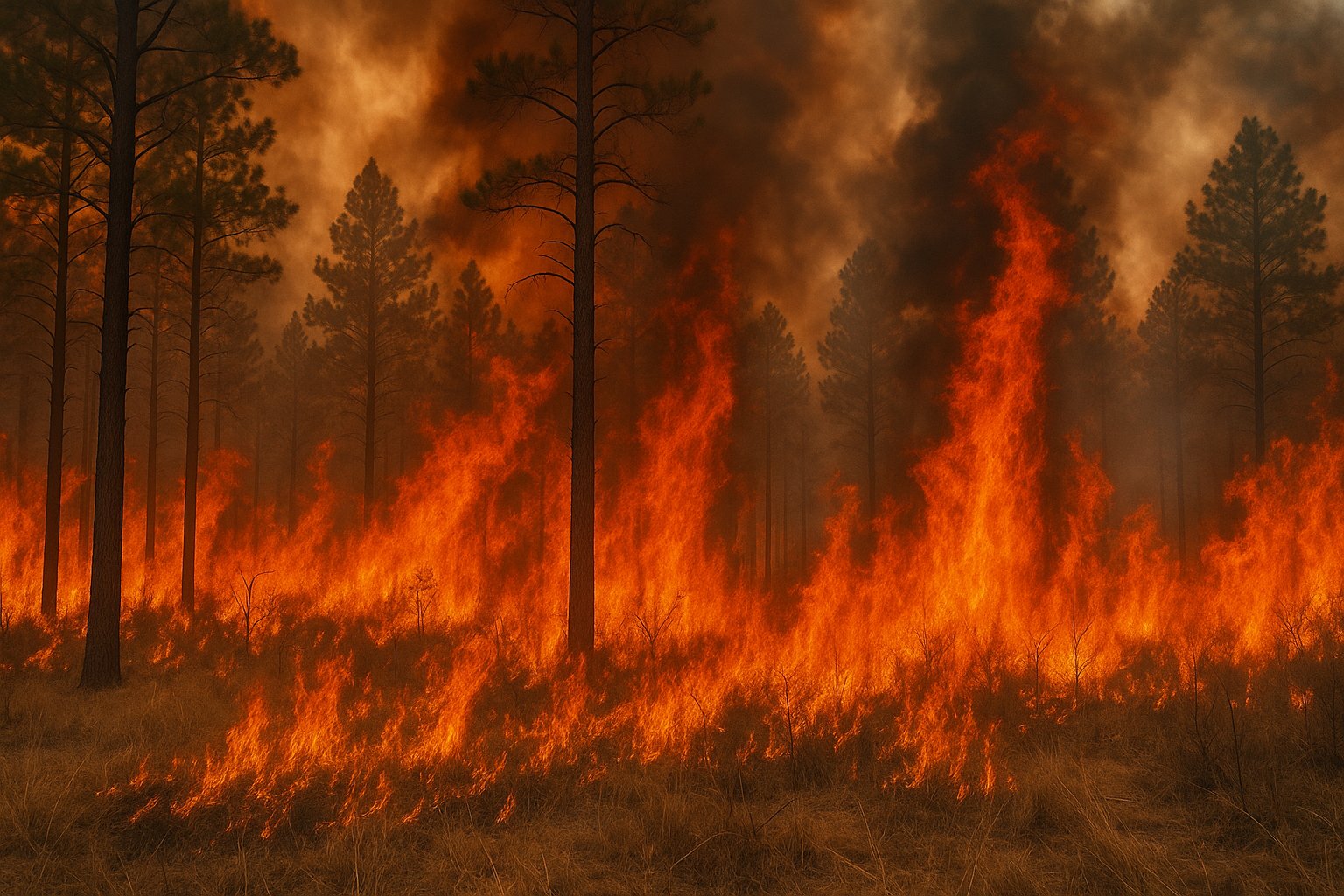
- Increasingly warming and drying conditions can result in escapes or high severity fires causing deaths, harm and devastation to people, property, flora and wildlife.
- Done frequently over large areas of remote country far from human settlements.
- Extreme fire weather overrides fuel treatments (crown fires, ember storms).
- Annual area targets keep forests young, dense, and can become more flammable over time.
Impacts on Biodiversity and Health
Biodiversity
- In 2018, a “cool” prescribed burn killed 17 of 22 tracked critically endangered western ringtail possums - ngwayir - in the Warrungup Spring Reserve.
- 25th March 2021, a burn lit by DBCA in Perup, east of Manjimup, scorched nearly 1,900 hectares of forest and may have killed or harmed up to 65 numbats - walpurti - a devastating blow to an endangered population with fewer than 2,000 individuals estimated to be remaining in the wild. Source: https://www.abc.net.au/news/2021-05-02/prescribed-burn-decimates-numbat-habitat-wa/100110960
- 30th November 2022, a planned 15,000-hectare Peak-Roe-Crossing prescribed burn in the core of the Walpole Wilderness jumped containment lines, burning an additional 10,000 hectares of wilderness and costing over $680,000 to control. It took almost two weeks to extinguish due to strong winds and difficult terrain. No human homes or lives were threatened, but this area was home to numerous threatened species including quokkas and Black-cockatoos. Source: https://www.abc.net.au/news/2022-12-12/prescribed-burn-review-urged-after-walpole-fire/101759498
- 18th December 2025, a prescribed burn in old growth Red Tingle forest in Giants East block within the Walpole-Nornalup National Park caused the collapse of more than 140 large, live tingle and karri trees within an area of less than 100-hectares. This is a loss of approximately 1.5 large trees per hectare. Hundreds of large nesting and habitat hollows were destroyed.
Health
- Between 2002–2017, prescribed burn smoke caused five times more premature deaths in WA’s southwest than wildfires.
- Annual smoke haze costs WA an estimated $24 million in hospital visits and lost productivity.
- Children, elderly, asthmatics and those with pre-existing illnesses are most at risk.
- 23 November 2011, a prescribed burn broke containment lines in Leeuwin-Naturaliste National Park, forcing hundreds to evacuate their homes. 3,400 hectares of bushland, 32 houses, 5 sheds, 9 chalets and 1 shop in the coastal communities of Prevelly, Redgate and Gnarabup were destroyed.
- 2 December 2011, a prescribed burn broke containment lines in Nannup. It threatened more than 200 homes and forced evacuations in Augusta and Molloy Island. Approximately 55,150 hectares of bushland were burnt and a small amount of property was lost.
- DBCA is not liable for damage caused by its prescribed burns.
Voices from the Land
I watched 17 of 22 possums I was tracking perish in a so-called ‘cool burn.’ It broke my heart.
Allison DixonWildlife Biologist 
Our people never burned the karri. Some places must remain sacred, untouched.
Noongar Elder
The smoke from autumn burns settles in our valley for weeks. It makes my children sick.
FarmerPemberton Region
I've got grave concerns…I can't imagine any [numbats] survived…I think the majority of them are no more — I think they're now ash…I saw tree after tree on the ground. These are old habitat trees…the lifeblood of this bush, it's what our wildlife depends on.
Farmer, Bill SmartPerup Region
Burn smarter, not more.
Does Prescribed Burning Reduce Bushfire Risk?
Yes, in limited cases.
Only for a short period of time
Not in extreme fire weather.
Margaret River (2011) fire roared through areas of all fuel ages.
Counterproductive
Forests can regrow denser and more flammable within 5–10 years.
Smarter Fire Solutions for WA
Rapid detection & suppression – stop wildfires small.
Strategic asset-based burning – near towns, not remote forests.
Cultural fire practices – cool, patchy, guided by Indigenous custodians.
Non-fire tools – thinning, mulching, mechanical fuel treatments.
Rapid Detection
Rapid detection & suppression – stop wildfires small.
Strategic
Strategic asset-based burning – near towns, not remote forests.
Cultural fire
Cultural fire practices – cool, patchy, guided by Indigenous custodians.
Ecological fire regimes
to suit the requirements of species and ecosystems
Non-fire tools
Non-fire tools – thinning, mulching, mechanical fuel treatments.
Who We Are - FABWA’s Mission
FABWA stands for Fire and Biodiversity Western Australia
Science-based and transparent.
Collaborative and reform-minded.
Committed to protecting both people and ecosystems.
We are not against prescribed burning. We call for responsible and effective reform, so WA leads the world in ecologically and culturally responsible fire management and fire risk mitigation strategies.
Frequently Asked Questions
No. Cultural burning is cool, patchy, and guided by Indigenous knowledge. WA’s prescribed burns are broadscale, and riven by area targets.
It’s a global biodiversity hotspot — defined as geographical regions that have at least 1,500 vascular plant species and have lost at least 70% of their original supporting habitat. Southwest WA is characterised by plants and animals found nowhere else on Earth that are under severe threat.
Yes, within 0.5–1 km of properties. But safety also depends on house building standard, materials and preparation, firefighting response, and community readiness.
Targeted asset protection, rapid suppression, Indigenous fire, and mechanical treatments. See our solutions page.
The Choice is Ours
WA stands at a crossroads. Do we keep burning vast forests year after year, or shift to smarter, science-backed, culturally informed fire management?